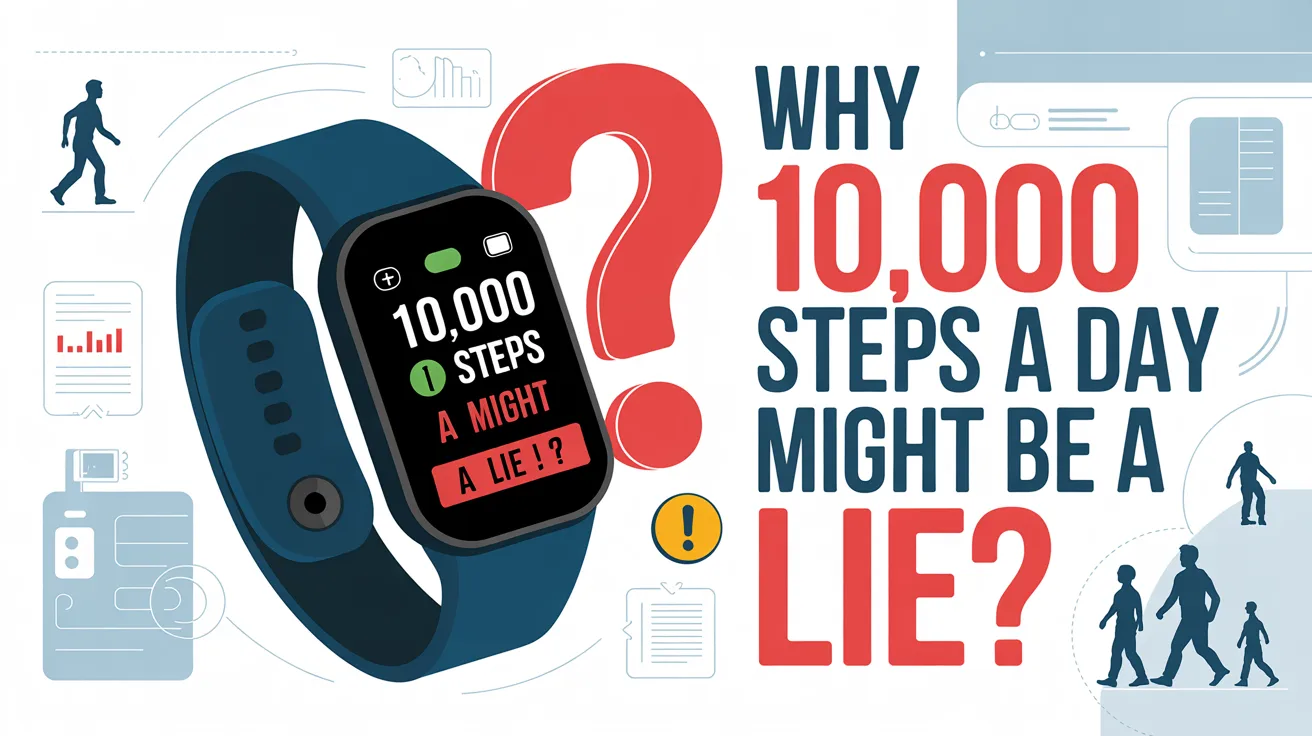
For years, fitness experts, smartwatches, and health apps have promoted one popular goal: walking 10,000 steps a day. It sounds simple and effective. But is this daily step count truly backed by science, or is it just another fitness myth? Surprisingly, the famous 10,000-step target may not be the ultimate key to weight loss, heart health, or overall fitness. Let’s explore what really works for better health and sustainable exercise. Why 10,000 Steps a Day Might Be a Lie (And What Actually Works for Real Fitness).
The Truth Behind the 10,000-Step Rule
Many people assume the 10,000-step goal comes from medical research. However, it actually started as a marketing strategy in Japan during the 1960s to sell pedometers. The number was catchy and easy to remember, so it became popular worldwide. Over time, it turned into a universal fitness recommendation—even without strong scientific proof.
This means the “10,000 steps a day” rule is more of a trend than a medical requirement. Why 10,000 Steps a Day Might Be a Lie (And What Actually Works for Real Fitness).
What Research Says About Daily Step Count
Recent health studies show that you don’t necessarily need 10,000 steps to see benefits. Walking just 6,000 to 8,000 steps per day can already improve cardiovascular health, boost metabolism, and reduce the risk of chronic diseases.
In fact, the health benefits begin much earlier than most people think. After a certain point, extra steps offer smaller improvements. So, chasing a big number may not always give better results.
The takeaway? Consistency matters more than quantity. Why 10,000 Steps a Day Might Be a Lie (And What Actually Works for Real Fitness).
Why Steps Alone Aren’t Enough
Counting steps is helpful, but it doesn’t tell the whole story. Not all movement is equal. Slow walking around the house is very different from brisk walking, jogging, strength training, or high-intensity workouts.
For example:
- 20 minutes of fast walking can burn more calories than 2 hours of slow strolling
- Strength training builds muscle and increases metabolism
- Cardio improves heart and lung health
Focusing only on step count ignores these important aspects of fitness. Why 10,000 Steps a Day Might Be a Lie (And What Actually Works for Real Fitness).
What Actually Works for Weight Loss and Fitness
Instead of worrying about hitting 10,000 steps, aim for a balanced fitness routine. Experts recommend:
- 30 minutes of moderate exercise most days
- Strength training 2–3 times a week
- Regular stretching for flexibility
- Staying active throughout the day
Simple habits like taking the stairs, cycling, dancing, or doing household chores also contribute to daily activity levels. These movements add up and often feel more enjoyable than forcing extra steps.
Listen to Your Body, Not Just Your Tracker
Fitness trackers and smartwatches are useful tools, but they shouldn’t control your health goals. Energy levels, sleep quality, strength, and mood are better indicators of well-being than a step number.
Some days you may walk less—and that’s okay. Sustainable fitness is about long-term habits, not daily perfection.
Final Thoughts: Focus on Smart Movement
The 10,000-step goal isn’t harmful, but it isn’t magical either. Real health improvements come from regular movement, variety, and consistency. Instead of obsessing over steps, focus on staying active in ways you enjoy.
Move more. Move smarter. That’s what truly works for lasting fitness. Why 10,000 Steps a Day Might Be a Lie (And What Actually Works for Real Fitness).
For More:- CLICK HERE
For Digital Marketing Solution :-VISIT HERE
